January 20, 2026
Bed bugs are small, parasitic insects that can cause significant discomfort and health concerns for humans, and understanding how to effectively eliminate them is crucial. Despite their size, these pests can lead to big problems. With a comprehensive plan and proactive measures from a local pest control company, bed bug infestations can be effectively managed and even prevented.
1. Understanding Bed Bugs: Identification and Biology
The Physical Characteristics of Bed Bugs
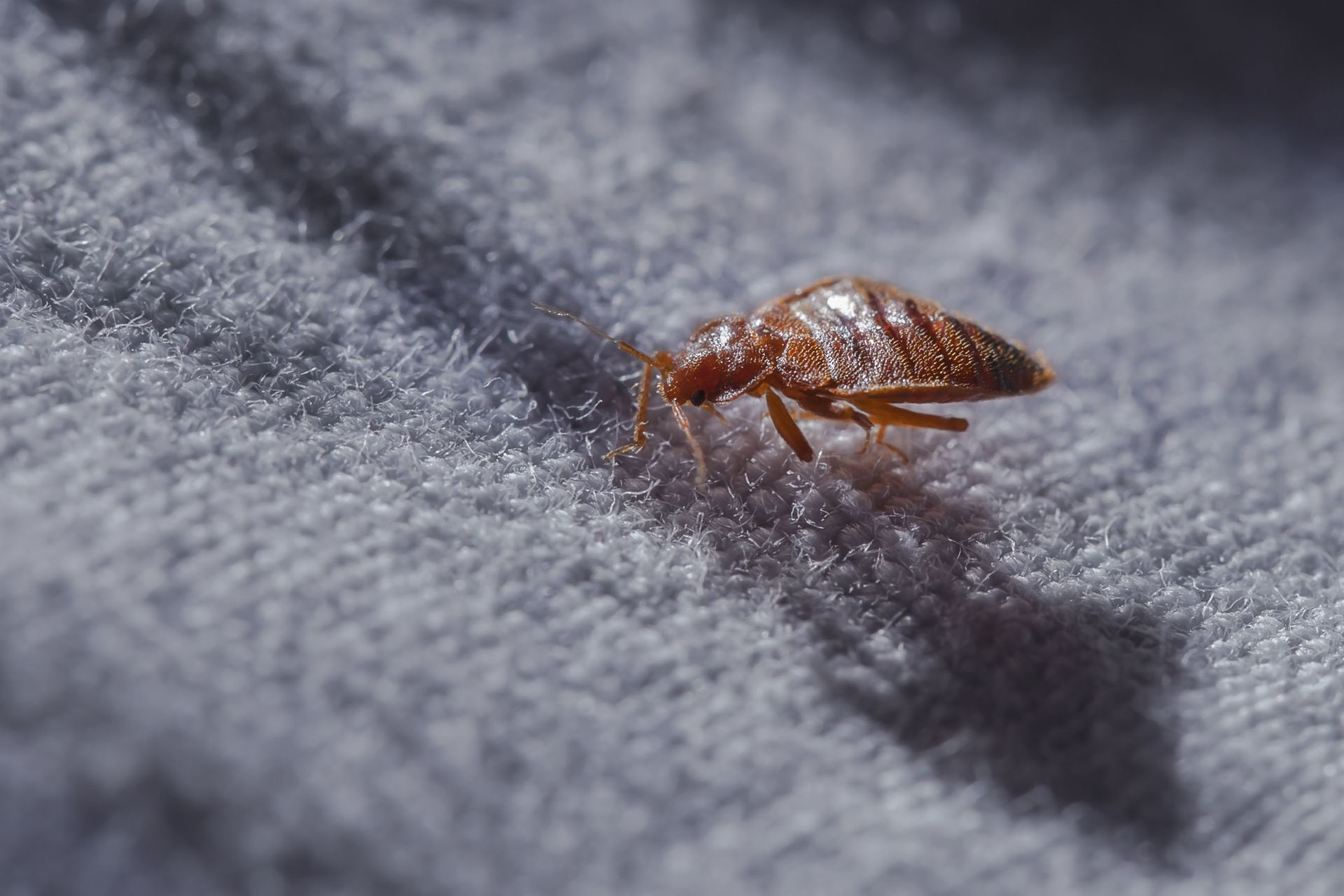
Bed bugs are a unique species with distinct physical characteristics that make them easy to identify if you know what to look for. According to Pest World, bed bugs have an oval shape and only grow to about 3/16th of an inch in length. They are typically brown or reddish-brown in color and have a flat, segmented body. This makes them difficult to spot. Bed bugs do not have wings, but their six legs and two antennae help them navigate environments with ease. Under optimal conditions, they can survive for months without feeding, making them exceptionally resilient pests.
Lifecycle and Reproduction
The lifecycle of a bed bug involves several stages, beginning with the egg stage and progressing through five nymphal stages before reaching adulthood. Bed bugs reproduce rapidly; a single female can lay hundreds of eggs in her lifetime. Eggs usually hatch within a week, and nymphs require a blood meal to molt and grow to the next stage. This high reproduction rate can quickly lead to significant infestations if left uncontrolled. Early intervention by a local pest control company can help stop infestations from spreading.
Common Habitats and Behavior
Bed bugs are primarily nocturnal creatures, coming out to feed on human blood at night. They commonly hide in crevices and folds near sleeping areas, such as mattresses, box springs, bed frames, and headboards. However, bed bugs can also inhabit spaces between floorboards, behind baseboards, and within furniture padding. Their behavior is influenced by seeking out warmth, blood, and places that offer easy access to humans for feeding.
Signs of a Bed Bug Infestation
Detecting a bed bug infestation early is essential to preventing its spread. Common signs include finding small, rust-colored spots on bedding, which are actually bed bug droppings. Additionally, you may notice molted skins or eggshells near their hiding spots. Bites on the skin, typically forming a zigzag pattern, are another indicator of an infestation. A musty odor is often associated with a high concentration of these pests, which is produced by their scent glands. Engaging a local pest control company can help verify these signs and plan an effective treatment.
2. Causes of Bed Bug Infestations
Travel and Hotel Stays
Travel is one of the most common ways that bed bugs are spread. Hotels, motels, and any other accommodations can inadvertently become breeding grounds for these pests. They hitch a ride in luggage, clothing, or personal belongings, making it easy for them to spread. Travelers should always inspect their lodgings for signs of bed bugs and remain vigilant during their stay. Bringing bed bugs home from a trip can cause a sudden and severe infestation.
Secondhand Furniture and Clothing
Purchasing secondhand items such as furniture and clothing can also introduce bed bugs into your home. Bed bugs are skilled at hiding in fabrics and small crevices, making secondhand furniture, particularly mattresses and couches, a risk. Thoroughly inspecting and cleaning these items before bringing them into your home is crucial. Heat treatments or thorough vacuuming can help eliminate any bed bugs or eggs. Exercising caution with secondhand items can prevent unintended infestations, and a local pest control company can offer services to treat these items before they enter your home.
Apartment and Multi-Unit Complexes
Living in proximity to others, such as in apartments and multi-unit complexes, increases the risk of bed bug infestations. Bed bugs can easily travel between units through walls, wiring, and pipes. One infested apartment can quickly lead to multiple units becoming infested without proper intervention. Tenants and landlords should collaborate on implementing building-wide bed bug management policies. Regular monitoring and prompt communication can help address bed bug problems swiftly and effectively.
4. Professional Bed Bug Infestations
Hiring Professional Exterminators
Engaging professional exterminators is one of the most effective ways to manage and eliminate bed bug infestations. Pest control professionals have access to advanced tools, treatments, and methodologies that untrained individuals may not have. They can evaluate the extent of infestations accurately and implement a comprehensive plan tailored to your specific situation. Professional services can ensure that treatments are applied safely and effectively to minimize harm to residents and pets. Investing in professional help from a local pest control company can provide peace of mind through guaranteed results and ongoing prevention advice.
Professional Inspection Services
For confirmed or suspected infestations, hiring professional inspection services can offer thorough and reliable results. Professionals employ a variety of techniques, including specialized tools and expert knowledge, to identify infestations with certainty. Their training enables them to find bed bugs in the most unlikely places and gauge infestation severity. Professional inspections can help develop effective treatment plans tailored to the unique circumstances of the infestation. Relying on a local pest control company ensures that infestations are addressed efficiently and effectively.
Ongoing Monitoring and Follow-Up Treatments
Beyond initial treatment and inspection, ongoing monitoring and follow-up treatments are essential components of professional bed bug management. Reputable pest control providers often include scheduled follow-up visits to ensure that all bed bugs and newly hatched eggs are fully eliminated. These continued assessments help confirm treatment success and allow for adjustments if any lingering activity is detected. Ongoing monitoring also provides homeowners with guidance on prevention strategies and early warning signs, reducing the likelihood of reinfestation. Together with a local pest control company, you can have comprehensive follow-up care and a long-term approach to bed bug control.
5. Myths vs. Reality: Common Misconceptions About Bed Bugs
Myth: Bed Bugs Are Attracted to Dirt
A common misconception is that bed bugs are attracted to dirty or unclean environments. In reality, bed bugs are drawn to hosts and are not influenced by cleanliness or hygiene. They can infest both immaculate and squalid spaces if human blood is accessible. This misconception can lead to unnecessary stigma and prevent efficient interventions. Understanding the true nature of bed bugs facilitates better management and control.
Myth: Bed Bugs Are Only Found in Beds
As their name suggests, many believe bed bugs are only found in beds. While beds are a common hiding place, bed bugs can inhabit a variety of areas close to hosts. They can reside in furniture, electronics, baseboards, and even wall or ceiling cracks. Recognizing this versatility is crucial for comprehensive inspections and effective treatment management. Bed bugs' adaptability allows them to thrive if not thoroughly addressed in all environments.
Myth: DIY Solutions Always Work
DIY solutions are not effective for fully eliminating bed bug infestations. Over-the-counter sprays, homemade remedies, or isolated treatments rarely reach all hiding spots and often fail to kill eggs, allowing infestations to persist or worsen. Repeated attempts with DIY methods can be frustrating, time-consuming, and costly, without guaranteeing results. For serious or widespread infestations, calling a local pest control company is essential. Professional intervention ensures a thorough, safe, and effective treatment plan that fully addresses the problem and prevents reinfestation.
Bed bugs are notoriously tricky pests that can be difficult to identify, control, and eliminate without expert help. Their ability to hide in hard-to-reach areas and reproduce quickly makes infestations especially challenging for homeowners to manage on their own. With expert intervention from a local pest control company, bed bug problems can be resolved more efficiently, offering long-term relief and peace of mind. To learn more, contact The X-Terminator today.