March 12, 2026
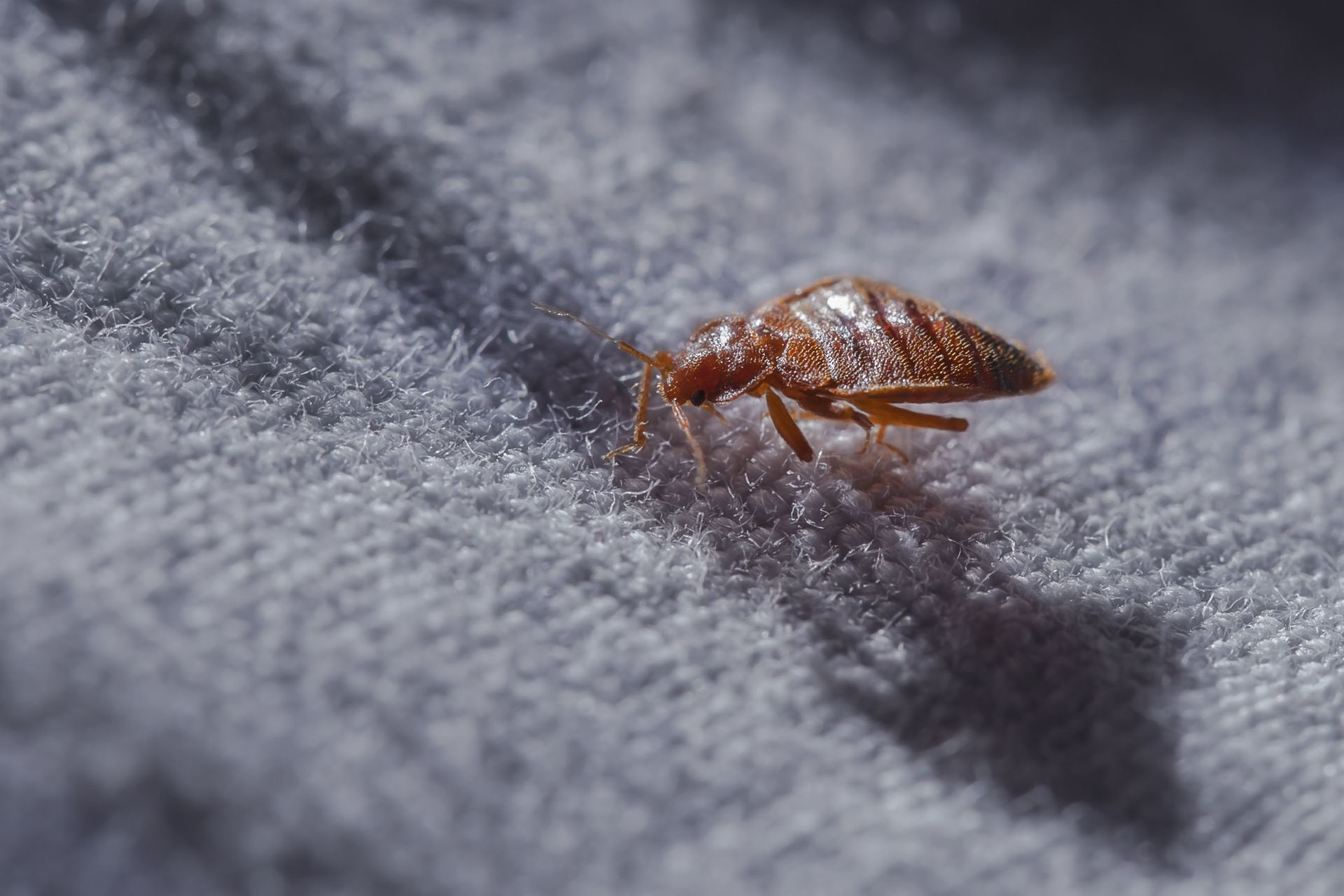
Pest control services are vital in maintaining a safe and healthy environment for both residential and commercial properties. Infestations can damage structures, contaminate food sources, and introduce health risks for occupants. Because of these concerns, pest control companies play an important role in protecting public health and maintaining property value. Over time, pest management strategies have evolved to include advanced detection tools, environmentally responsible treatments, and long-term prevention strategies.
Urban expansion, climate shifts, and global trade have all contributed to increased pest activity in many regions. Warmer temperatures and dense development create ideal conditions for insects and rodents to thrive. As these pressures grow, pest control companies must adopt innovative techniques and ongoing monitoring programs to remain effective. According to IBISWorld, there were 31,715 pest control businesses in the U.S. as of 2024, reflecting the growing demand for professional pest management services as communities continue to face evolving pest challenges.
1. Inspection And Property Assessment
The first step in effective pest management is a detailed inspection of the property. During this phase, technicians evaluate structural conditions, sanitation practices, and environmental factors that may contribute to pest activity. Careful assessment helps determine which pests are present and how extensive the infestation may be. Moisture levels, entry points, and food sources are carefully examined to understand why pests are present and how they are gaining access to the building.
Technicians often use specialized tools such as moisture meters, thermal imaging cameras, and monitoring traps to locate hidden pest activity. These technologies make it easier to detect termites inside walls, rodents in crawl spaces, or insects nesting within structural voids. Accurate identification of pest species is essential because treatment strategies differ depending on the pest’s behavior and life cycle.
Following the inspection, professionals compile a report detailing their findings. This documentation typically includes photographs, identified risk areas, and recommended corrective measures. Property owners benefit from this process because it clarifies the root causes of pest problems and provides a roadmap for resolving them effectively.
2. Risk Evaluation And Strategic Planning
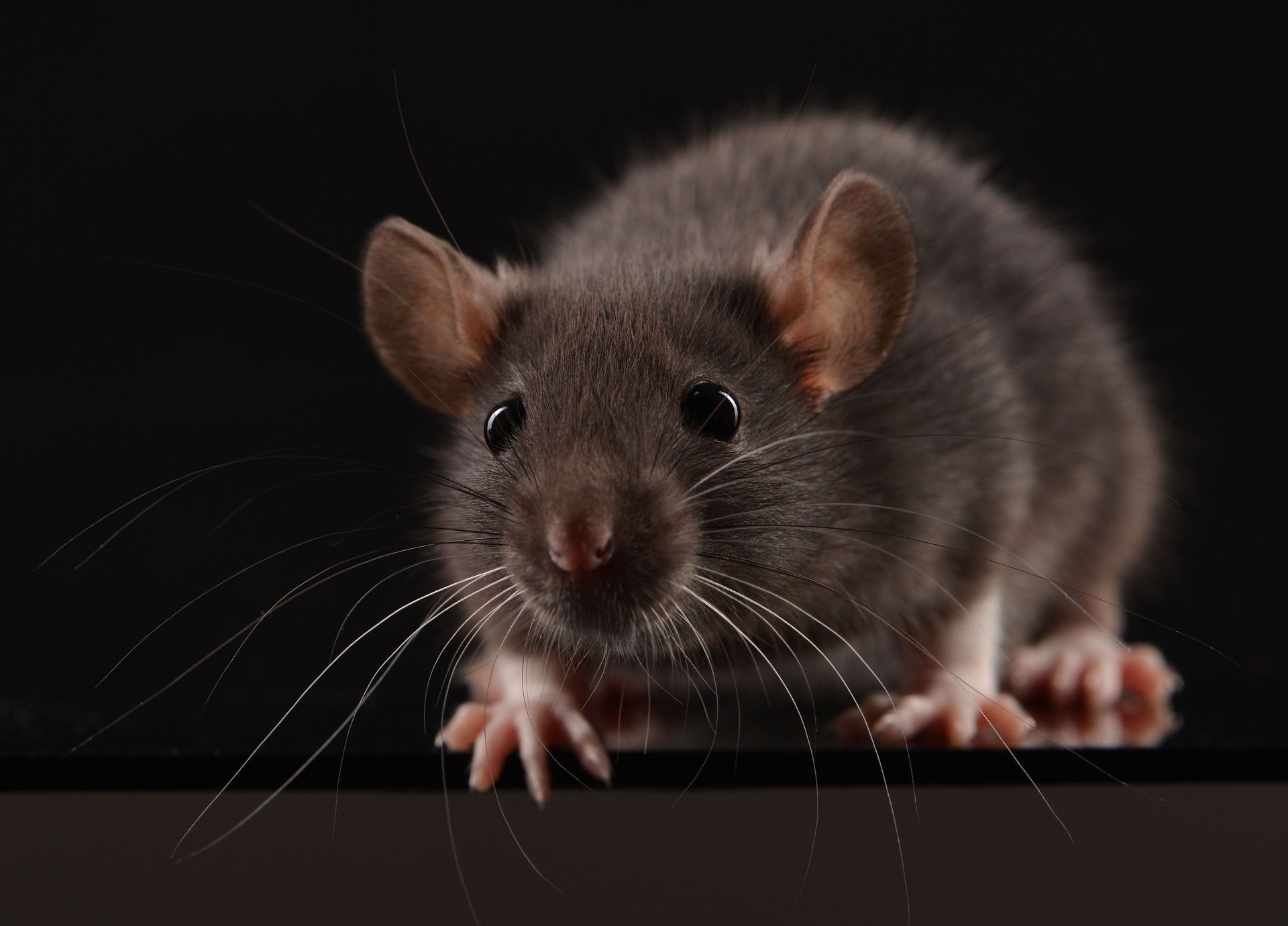
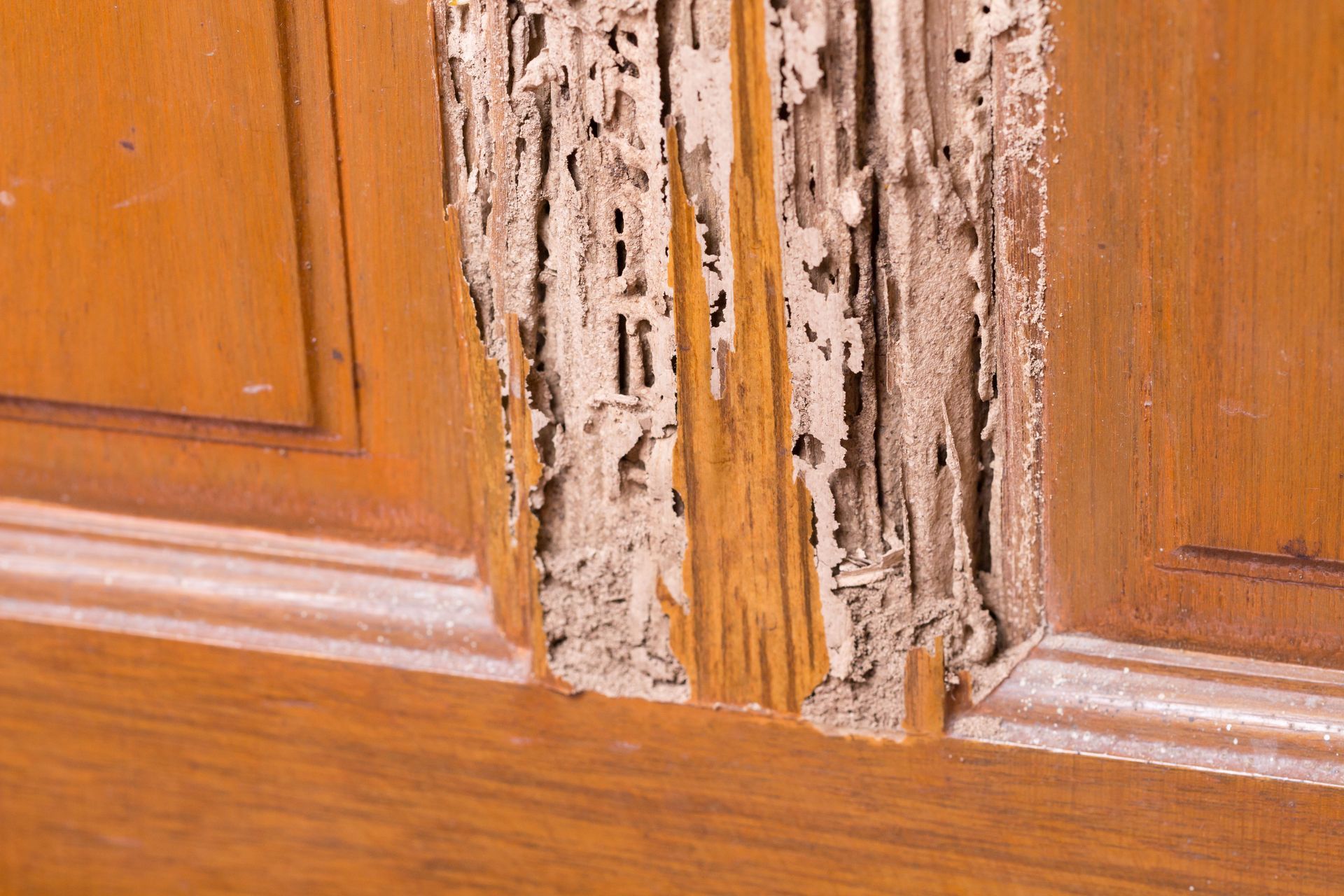
After inspection, a thorough risk evaluation helps determine the potential health and structural threats associated with the infestation. Certain pests, such as cockroaches and rodents, can spread bacteria and allergens that affect indoor air quality. Others, like termites or carpenter ants, may silently weaken wooden structures over time. By understanding these risks, pest control companies can prioritize treatment areas and recommend appropriate solutions.
Financial considerations also play a role in risk evaluation. Small infestations may be addressed quickly, while widespread pest activity could require a multi-step treatment plan. Property owners often appreciate transparent explanations of potential costs, timelines, and expected outcomes. This planning stage ensures that both the client and the service provider understand the scope of the work required.
Strategic planning also includes preventive measures such as sealing structural gaps, adjusting landscaping, or improving waste management practices. These adjustments reduce the likelihood of recurring infestations and help maintain a pest-resistant environment long after treatment is complete.
3. Treatment Methods And Extermination Techniques
When active infestations are confirmed, targeted treatment methods are implemented to eliminate pests quickly and safely. Chemical applications remain one of the most widely used solutions because they can rapidly reduce pest populations. Trained technicians apply insecticides and rodenticides in carefully controlled areas to maximize effectiveness while minimizing exposure risks. In these situations, pest control companies follow strict safety protocols and regulatory guidelines to protect residents, pets, and surrounding ecosystems.
Mechanical methods offer another important treatment option. Traps, bait stations, and exclusion devices physically remove pests or block their entry into structures. These solutions are especially useful in sensitive environments where chemical treatments may be limited. Mechanical approaches can be highly effective when combined with proper sanitation and structural maintenance.
Biological control methods are also gaining popularity, particularly in agricultural or outdoor environments. Natural predators, beneficial insects, or microbial treatments help reduce pest populations while preserving ecological balance. These methods demonstrate how pest management can align with environmental sustainability goals.
4. Integrated Pest Management Strategies
Integrated Pest Management, often referred to as IPM, is a comprehensive strategy that combines multiple treatment approaches. Instead of relying solely on chemicals, IPM incorporates monitoring, prevention, and targeted interventions. Pest control companies frequently design customized IPM programs that address the specific conditions of each property.
This approach focuses on long-term prevention by identifying environmental conditions that allow pests to thrive. By correcting these conditions, pest populations can be reduced without excessive chemical use. IPM strategies may include sealing structural openings, improving ventilation, adjusting landscaping, and installing monitoring devices.
The success of integrated pest management relies on ongoing observation and data collection. Regular inspections allow technicians to evaluate treatment effectiveness and make adjustments when needed. Over time, this adaptive approach provides reliable protection while minimizing environmental impact.
5. Eco-Friendly And Green Pest Solutions
Environmental responsibility has become an increasingly important consideration in pest management. Many property owners now seek solutions that minimize chemical exposure while still delivering effective results. To meet this demand, pest control companies are expanding their use of eco-friendly products and low-toxicity treatments.
Green pest control options may include botanical insecticides, organic dusts, or biological agents derived from naturally occurring substances. These products target pests while reducing potential harm to beneficial insects and surrounding ecosystems. Additionally, many providers emphasize habitat modification and sanitation improvements to reduce pest attractants.
Sustainability certifications and environmentally responsible practices are becoming valuable differentiators in the pest management industry. Companies that invest in environmentally conscious methods demonstrate a commitment to protecting both customers and the natural environment.
6. Monitoring Programs And Long-Term Prevention
Effective pest management does not end once an infestation has been eliminated. Continuous monitoring helps prevent future problems by identifying early warning signs of pest activity. Many pest control companies implement ongoing surveillance programs that include scheduled inspections and strategically placed monitoring devices.
These programs track pest movement patterns and detect activity before infestations become severe. Early detection allows technicians to respond quickly with targeted solutions, preventing widespread damage. Data collected during monitoring also helps refine treatment strategies and improve overall efficiency.
Long-term prevention also involves educating property owners about simple maintenance practices that discourage pests. Proper waste disposal, moisture management, and structural repairs significantly reduce the likelihood of infestations. By combining professional monitoring with client participation, properties can remain pest-free for extended periods.
7. Habitat Modification And Environmental Adjustments
Habitat modification focuses on altering environmental conditions that attract pests. Simple adjustments such as trimming vegetation, removing standing water, and sealing cracks in foundations can dramatically reduce pest activity. These preventative steps eliminate the shelter, food, and moisture that many pests require to survive.
Indoor modifications may involve improving ventilation, repairing plumbing leaks, or organizing storage areas to remove hiding places. Outdoor improvements often include proper drainage systems, gutter maintenance, and landscaping adjustments that prevent insects and rodents from approaching the structure.
By addressing environmental conditions rather than simply treating symptoms, habitat modification supports long-term pest prevention. This proactive approach complements professional treatments and helps maintain a balanced ecosystem around homes and businesses.
8. The Continuing Role Of Professional Pest Services
As urban environments grow and climate conditions evolve, pest activity is likely to remain a persistent challenge. Professional services provide the expertise and resources necessary to manage these risks effectively. Through inspections, treatment plans, monitoring programs, and preventive strategies, pest control services help maintain safe living and working environments.
Modern pest management is far more than simple extermination. It represents a comprehensive system that integrates science, environmental awareness, and ongoing property maintenance. By combining advanced technology with preventative planning, pest control services continue to protect communities from the costly and hazardous effects of pest infestations. Contact The X-Terminator today to schedule a professional inspection and take the first step toward a safer, pest-free property.